A Tea Addict's Journal

Chenyuan Hao Yiwu

May 19, 2007 · 1 Comment

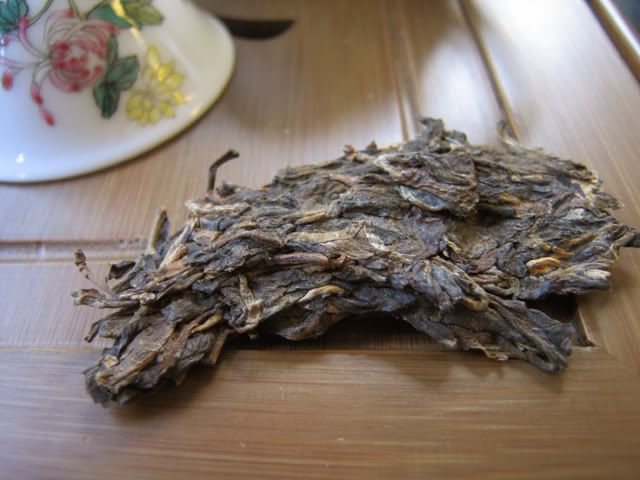
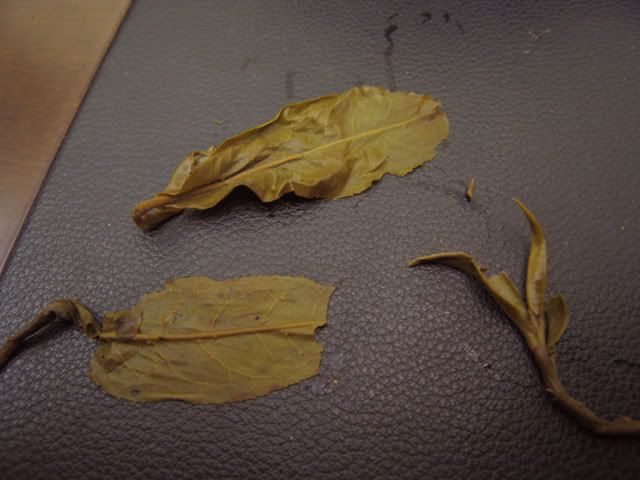
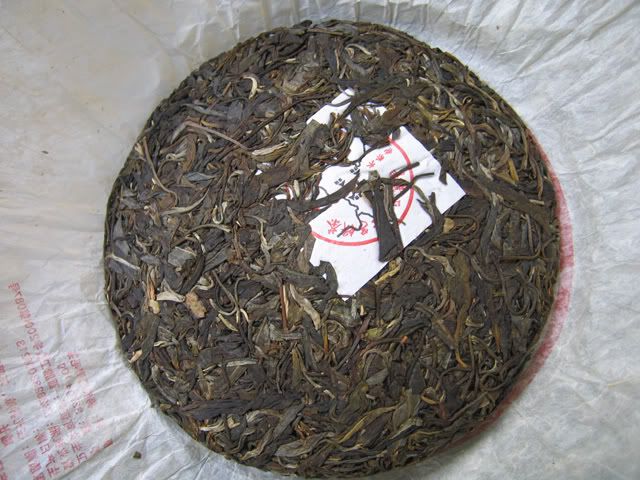
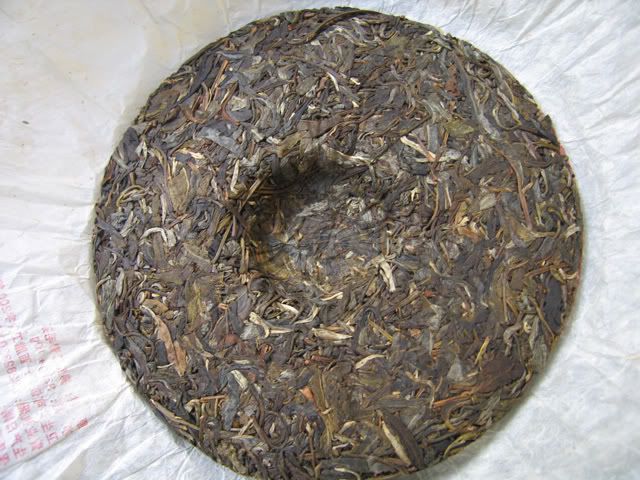
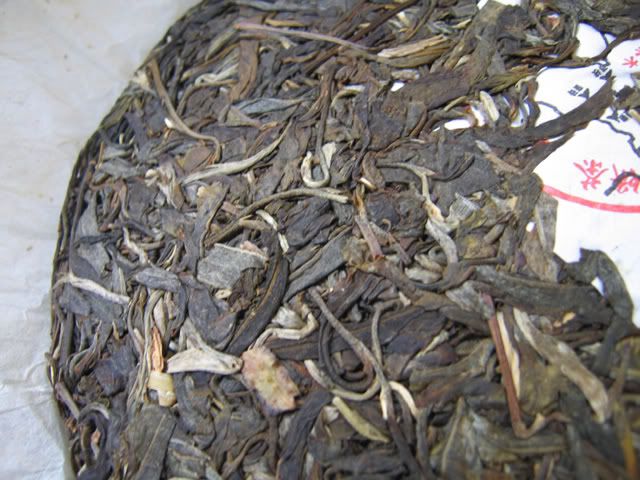
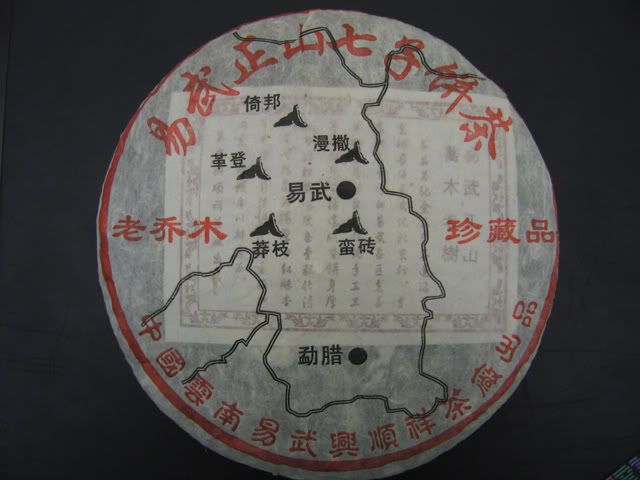
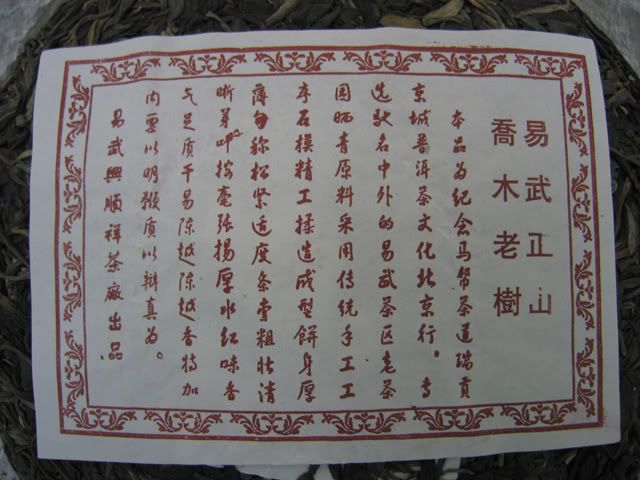
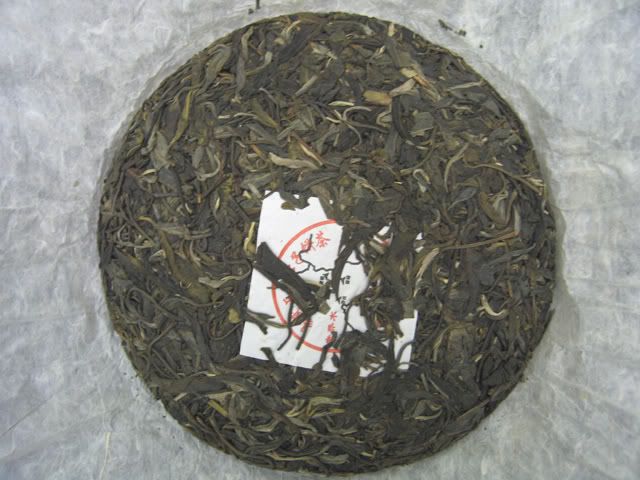
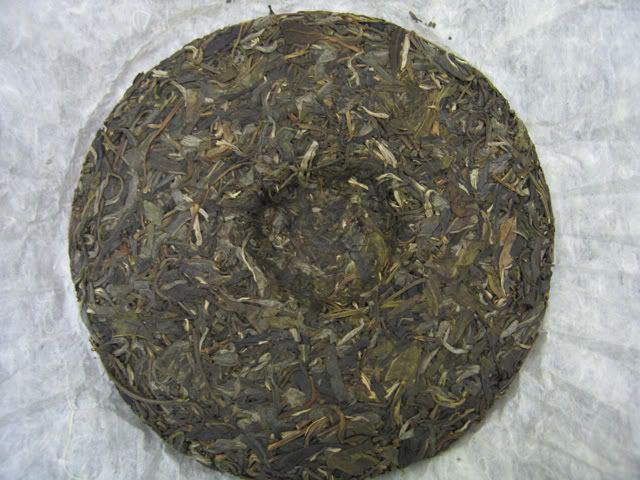
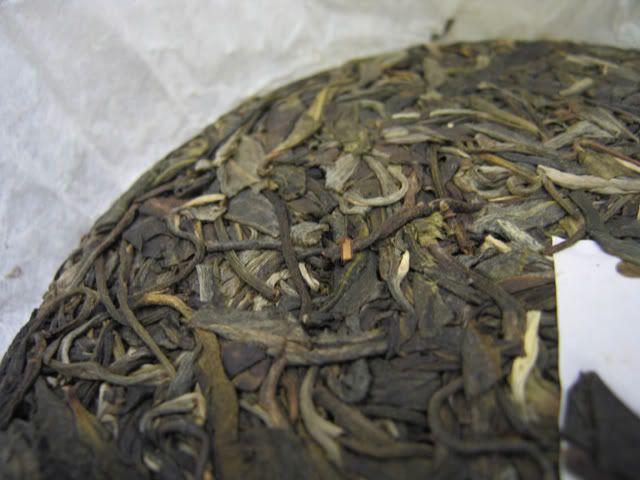
I drank a sample today sent to me from a guy in Tainan.  It’s a Chenyuan Hao Yiwu, which is one of those Taiwanese teahouses that does their own cakes.  I think this one is from 2002 or something, although I can’t quite remember exactly when.  Regardless…

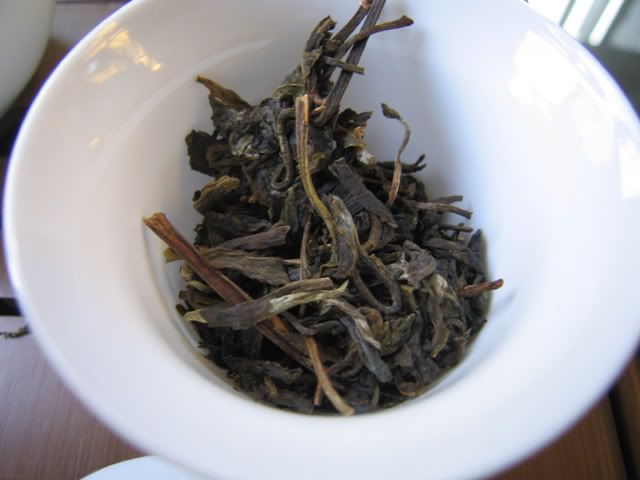
You can see it’s the “aged a bit” look.  It also smells “aged a bit”, definitely dry stored.

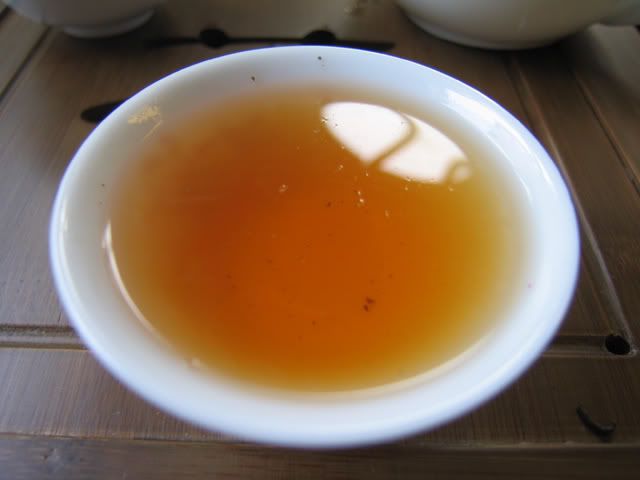
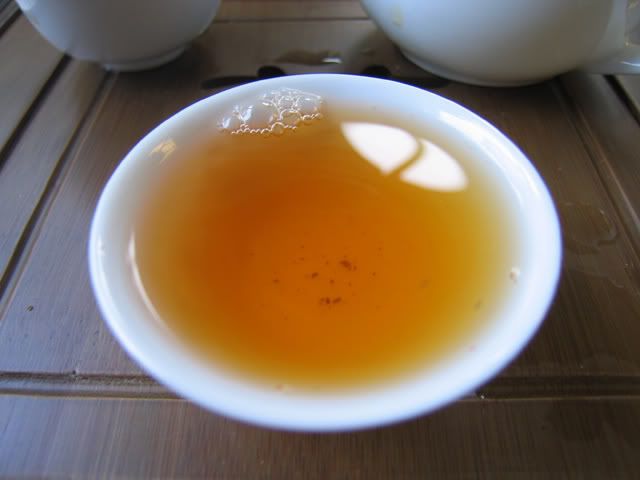
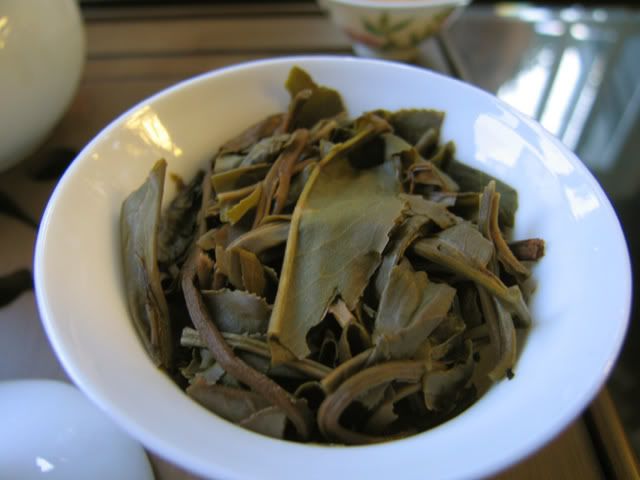
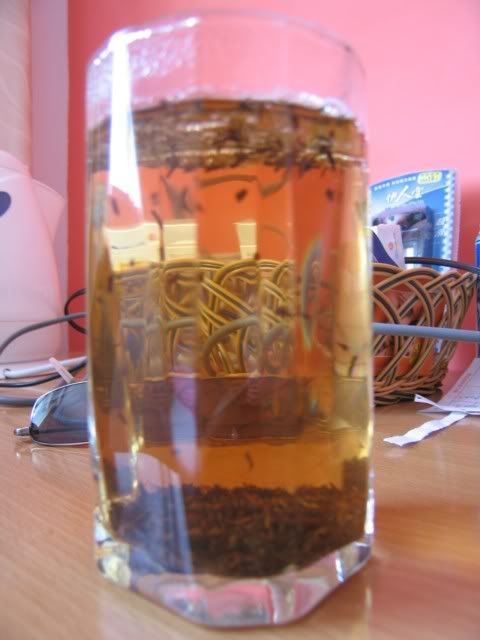
The first picture is of the second infusion, and the second is of about… 6th?  Something like that.  The tea is surprisingly bitter for what it’s worth.  I remember I reviewed it a long time ago, pretty much when I first arrived in Beijing, and thought it to be very drying.  I thought it had to do with Beijing storage… but apparently not.  In this sample, even though stored in Tainan, definitely a wet place, the tea is STILL drying… by about the third infusion my throat was drying up, and feeling rather uncomfortable.  Even though the flavours of the tea was fine — a bit sweet, with dried plums taste, and in the third infusion, I thought for a second I was drinking a fizz-free coca-cola — the feeling of the tea was definitely unpleasant.

It did improve after about 6-7 infusions to a better taste, but given the unpleasant feeling early on, it made me think that the tea was simply not worth it, even if it’s cheap.  Especially considering that yesterday’s tea was so smooth and without any of these problems, I can’t say I enjoyed today’s sample, generous though it was from the guy who sent it out, as I think this tea is not cheap now.

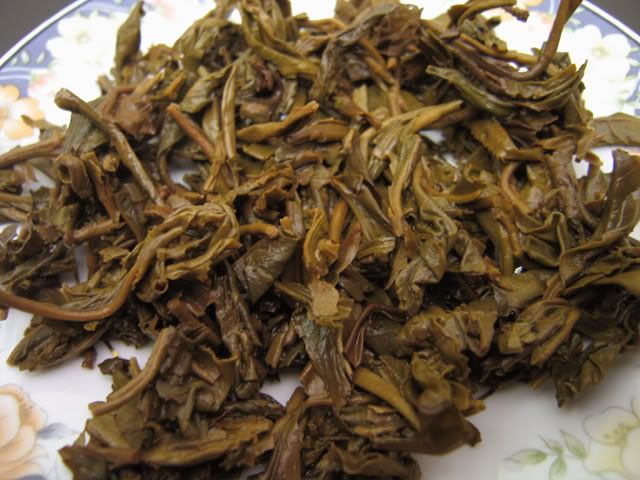
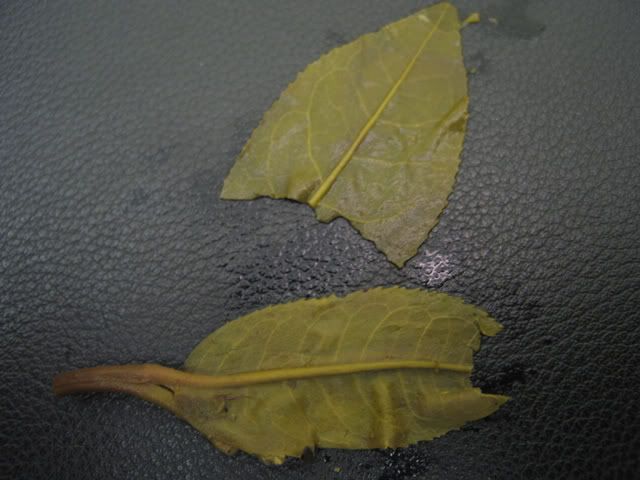
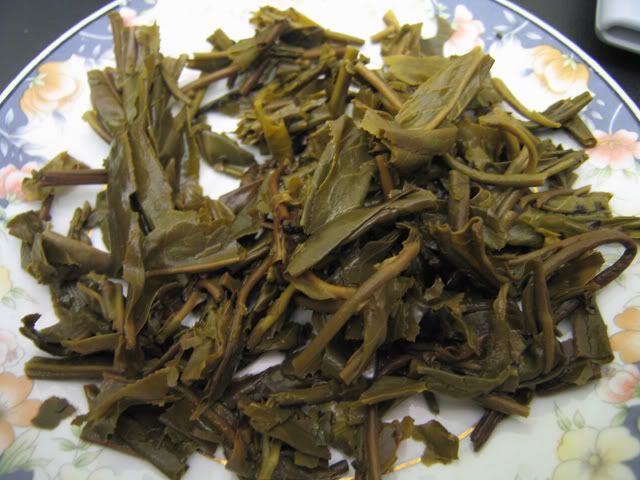
Looking at the leaves… I wonder if it’s even big tree tea.  There was definitely some “throat feel” (anybody got a better name for this feeling?  I can’t think of one) it was…. too bitter and astringent.

→ 1 CommentCategories: Old Xanga posts · Teas
Tagged:

Tasting the new cake

May 18, 2007 · 5 Comments

As promised, I actually tried the new cake I bought today.  Since I was talking about lighting and picture taking though, I decided to take another set of pictures in daylight to compare with the ones I took last time under artificial light.  Looks different again…

I broke off a piece

And I made the tea.  Jackson joined me today for the tasting.

The tea is smooth.  It brews up an orangy-yellow colour, and the initial taste resembles a Yiwu, but I think as it went on for a bit, I discovered that it is a little darker than a Yiwu.  Maybe it’s more like a Manzhuan tea or something, I’m not sure.  That might also explain the cheaper price.  Whatever it is… it’s not pure Yiwu old tree tea.

That, however, doesn’t detract from the tea itself.  There was some smoke, which Jackson thought was a cigarette sort of taste, although I just think it’s smoke (maybe because I’ve never smoked a cigarette?).  It went away after about two to three infusions.  The tea… tastes like…. tea.  It doesn’t leave much aftertaste at the tip of the tongue, but it leaves a strong huigan at the back with a consistent feeling around the throat area.

What’s most interesting though is that even though this is more or less a fall tea, the tea is VERY smooth… which was a little surprising.  I have known fall teas as more astringent than spring teas, but this one somehow defies expectations.  It didn’t do the “astringent after five infusions” thing either.  It really only showed up around infusion 10, and even then… only a very mild sort of astringency.  Is that a good or a bad thing?

I worried a little about its processing, and wondered if they got rid of the astringency with oolong fermentation or something.  No, I don’t think so… there was very little aroma in the cup.  It’s not fragrant enough to be an oolong tea, I think, and still retains a good bit of bitterness.

A little odd, I think, but ultimately, I think I will go back and buy a few more given the price and the quality.  I don’t think I can really pick out any problems with the tea, which is sort of a rare thing.  Other than the smoke, which I’m sure will go away (the sample I tried at the store, which has been stored in the open, wasn’t really smokey at all), I don’t think there was anything else wrong with the tea.

I guess only time will tell…

Some wet leaves for you to look at

→ 5 CommentsCategories: Old Xanga posts · Teas
Tagged:

Pictures

May 17, 2007 · 4 Comments

Today I present you with three teas:

Oh wait, it’s the same one.

I didn’t even take them under different lighting conditions — I merely photoshopped them.

Which one’s the “unedited” one?

You can see how different they look… and I’ve noticed that even in natural sunlight, the colour can be off.  It’s a very annoying thing with digital cameras, I suppose.  The lighting is never quite right.  If the white balance of the camera is off when the picture is taken, then you might have really distorted colours.  When buying on the internet… colour changes can really change your perception of a cake.  It’s not like anybody even has to try to fix the pictures — without actively trying to doctor them, it can still come out being different from the real deal.

Unfortunately, that’s one of the risks of buying online.  When I try to show my cakes, I try to make it so that the colour isn’t too far off from what I see with my naked (well, glasses enhanced) eyes, but it’s never quite 100%…

→ 4 CommentsCategories: Information · Old Xanga posts
Tagged: , ,

Tea tasting update

May 16, 2007 · Leave a Comment

A few of you have started receiving the teas I sent out.

Please DO NOT post any notes anywhere, yet.

I wish everybody to have a chance to drink it before seeing other people’s comments (which can cloud their judgement).  Therefore, if you could hold off from talking about it in public, that’ll be appreciated.  Of course, I can’t stop you from talking in private.

I’ll post up an entry in about a week’s time and ask for comments on the tea then.  You can post the comments in that entry.  I think that should give everybody a chance to drink it.

Enjoy :).  No bleach was involved in the process of preparation, by the way.  Some of you have actually asked.

→ Leave a CommentCategories: Old Xanga posts · Teas
Tagged:

Yiwu, Yiwu, Yiwu

May 16, 2007 · 5 Comments

I had dinner with a friend and his wife today.  Between library’s closing and dinner, however, there was a two hour gap.  What to do?

Ah, there is a tea store near the place where we were meeting that I’ve gone to once to look at (but not taste) some cakes.  That was a few months ago.  Maybe I can go again and get some free tea out of them to cure my budding tea headache.  The cakes also looked nice too.

So I went there.  I think it’s a pretty upscale tea store, with a second floor that serves as a teahouse for people to drink tea there.  The cakes I looked at last time were some Yiwu pressed by themselves, supposedly, although some cakes obviously had the neifei ripped out of the cakes.  That, to me, indicates that somebody is being dishonest and selling something at an inflated price without wanting you to know where they got it from.  That’s usually the only reason why you’d do such a thing.  I didn’t feel like pointing it out, but I’m sure they have an elaborate reason, anywhere from “oh, the neifeis were mistakenly put in because they mixed up the two batches” to “we had agreed to sell these cakes to another tea house, using their neifei, but they reneged on the order”.  Whatever it is… it’s just a story.

The ripped out neifei is in special contrast with the neifeis for their 07 cakes, which are definitely their own and deeply embedded in the cake.  Why the contrast?  Even more suspect.

But anyway, when I saw the 07 cakes, I decided I want to give them a taste.  I haven’t really tried many new cakes yet, this year’s production being very slow and new teas are still not arriving on the markets in bulk (many are only getting to Kunming now, I heard).  Prices being astronomical, it also gives me less incentive to try new stuff.  But I figured… what the hell.

I asked to try the Yiwu Zhengshan.  There were four new 07 cakes on the shelf.  One is called Yiwu Zhengshan.  The other three are Mahei, Luoshuidong, and Daqishu, three smaller sub-areas of Yiwu.  The Yiwu Zhengshan is 600 RMB, Mahei is 1800, and the other two are similarly high priced (1000+).  1800 is something like… 250 USD.  Extremely high for one 357g cake, considering that maocha this year in this region costs something around 500 RMB/kg, max.  Divide it up to 357g, it means a raw cost of…. 180 RMB.  Add in overhead, rent, labour, transportation… 400 RMB would already net them a reasonable profit.  600 a good one, and 1800….. an exorbitant one.  Their 05 and 06 teas are even more expensive, with 05 Yiwus being something like 3000 a cake.  Considering that is almost two months’ salary for a storekeep… it’s quite crazy.

Anyway, so I tried the “cheapest” tea there.  It looks quite good, actually, small buds, hairy, robust.  The tea is good, tastes nice, with depth and qi, and a nice huigan.  Can’t complain too much other than tasting a little green and a little rougher on the tongue than I’d expect from a buddy spring tea.  Definitely an old tree as advertised.  Is it worth 600?  No way.

Meanwhile, I think I have impressed the owner with enough of my knowledge of Yiwu area that she thinks I’m some sort of expert.  When I’m in a tea store, I don’t mind masquerading as an expert as you get better treatment, instant discount, and nicer teas.  One of the things you can do to pretend to be an expert is actually very simple — just being able to rewrap a cake nicely gains instant credit.  When they see you can rewrap a cake beautifully, with no extra paper sticking out and no wrinkles on the front (oftentimes better than they can rewrap it themselves) then they will automatically respect you.  Try it next time you’re in a teastore — make sure you insist on rewrapping it yourself and proceed to do it right away.

Anyway… what I was getting at was that the owner wanted me to try the Mahei.  I said it’s ok, but she insisted.  Sure… I’m not going to pass up the change to drink this rather exorbitantly priced tea.  I know I won’t buy it even if it’s really good.  It’s simply too expensive for what it is.

The Mahei definitely has energy, and is also definitely old tree.  It is, however, also definitely overpriced.  In my opinion, it’s not even as good as the 600 kuai one, since it gave out quite quickly into a rather bland tea.  I’m not exactly sure why… but I’ve always found Mahei to be a bit weak, and this one’s no exception.  I have a feeling that Mahei teas, on their own, don’t do so well in aging.  I could be wrong, but I’ve had 2-3 years old Mahei tea stored in Guangzhou that didn’t impress me.  This one definitely didn’t impress me.

They tried to hardsell me, asking me which one I want and how amazing they are.  I equivocated, and eventually fled the scene.  I think I need to walk around the corner next time instead of right in front of their store.

→ 5 CommentsCategories: Old Xanga posts · Teas
Tagged: ,

New cake

May 15, 2007 · 7 Comments

I bought a new cake today, haven’t done that for a while other than that one extra cake I sent out for tasting.

I went to Tianshan Tea City today after going to a talk by some professor.  It was held in the vicinity of the tea city, so I figured I’ll stop by there before eating dinner.

I wandered a bit, and ended up in a puerh store I’ve never really looked at before.  I unwrapped all their cakes and decided to taste the one Yiwu they had.  I think it’s good… definitely has notes that I’d recognize as old tree, although perhaps a little less powerful than I wanted.  But then I inquired about the price… and it was a very attractive price.  Too attractive, almost.  I tasted another tea, a Nannuo, and it was almost double the price of the Yiwu, yet not really quite as good, in my opinion.  So I ended up taking two of the Yiwus home.  I might go back and buy a whole tong… still giving it some thought.  There’s a possibility that this tea is not pure old tree, but has some younger stuff mixed in, but the taste is quite right — unmistakable Yiwu.
So here’s some pictures for you to look at.

The neipiao doesn’t say anything about curing cancer!!!

→ 7 CommentsCategories: Old Xanga posts · Teas
Tagged:

Fannings

May 14, 2007 · 1 Comment

Back in Shanghai, and what do I drink?  Fannings.  These are little pieces of tea that are, essentially, the bottom of the pile stuff — leftover from a puerh sample.  I threw them into a cup, poured hot water, and drank (after they sank to the bottom, of course).  Surprisingly, it wasn’t that bitter, and was not that rough.  I’m not sure why, but it actually worked rather well.  I didn’t really want any of the other teas I have that can be used for the grandpa method, so I decided to do this.  I must say I’m rather happy with the results.

I still have some more fannings, maybe I should drink them all this way.

→ 1 CommentCategories: Old Xanga posts · Teas
Tagged:

Other people’s home

May 13, 2007 · 1 Comment

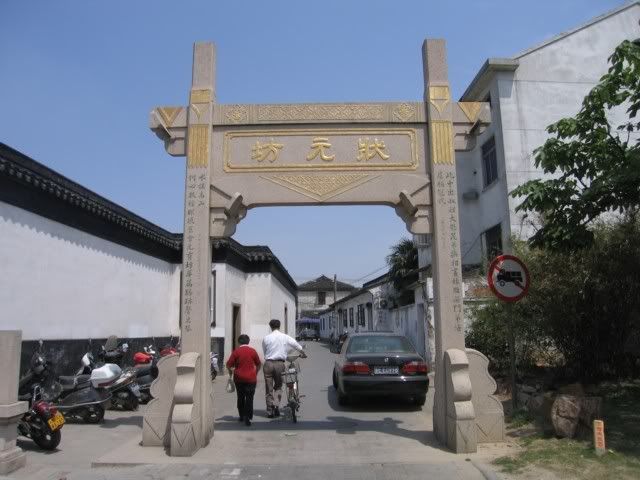
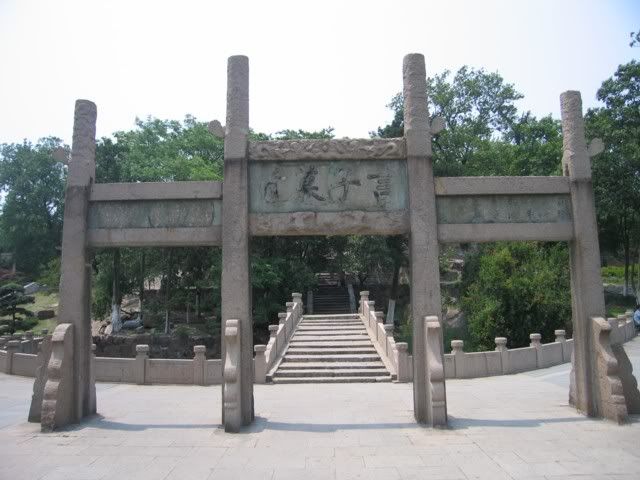
I went to a few homes today. The first one I visited is that of the Weng family. They were easily the most prominent family in Changshu in the 19th century, with two members of their family earning the number one rank at the highest level exam in the land, and thus gaining the title of Zhuangyuan. There’s a gate to commemorate it.

Back in the way, these things were everywhere, especially in a town like Changshu, commemorating various things from high places in exams, to women who were chaste, to men who had fallen in battle, to…. you name it.

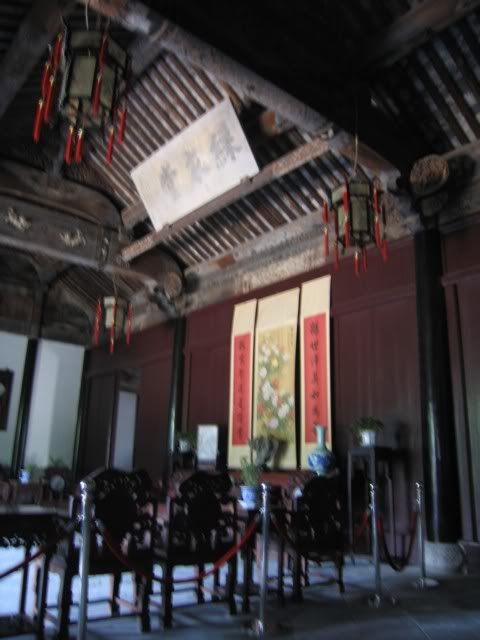
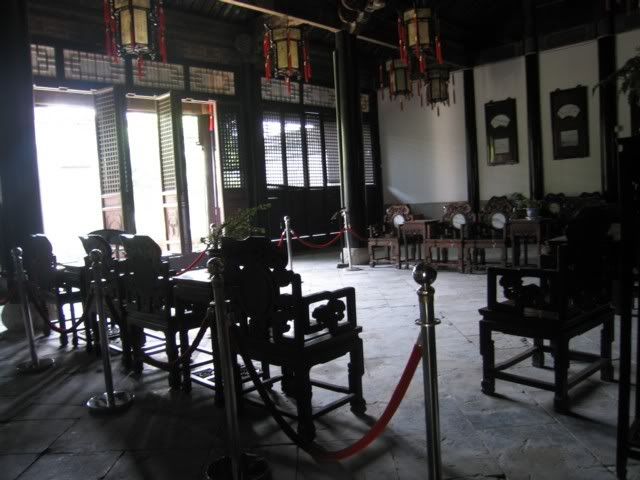
Since many members of this family reached high office, the family estate was obviously large. The main building is what is of the most interest, but it’s a house with 7 “jin”, which means 7 buildings on the central axis. A house would be considered large if it has 4 or 5 “jin”, so 7 is…. well, big. The main building was built in the Ming dynasty — sometime in the 16th century, if I remembered correctly. It’s very impressive.


(sorry for the shaky hand… it was very dark)


You can see the place is HUGE


With beautiful details

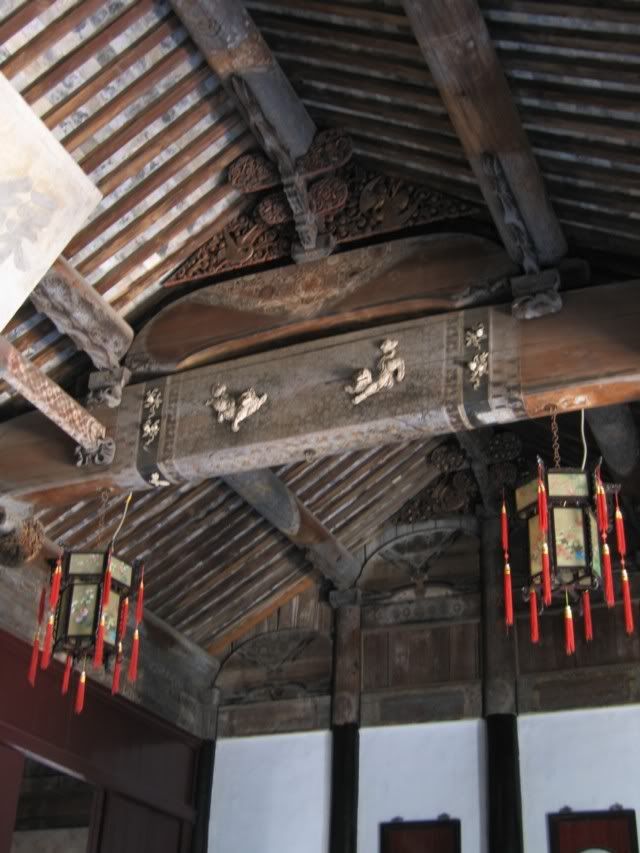
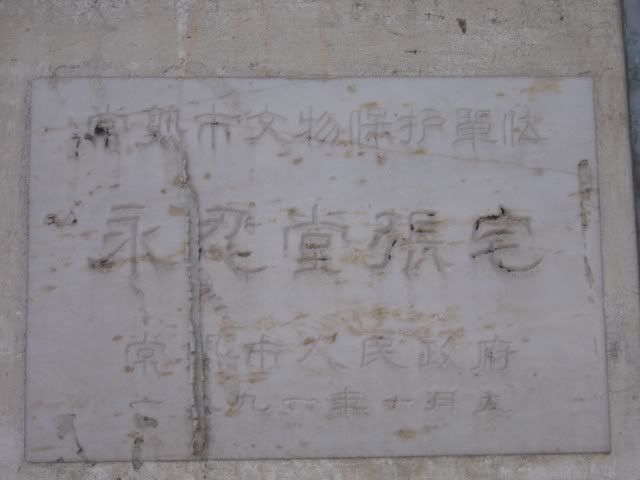
After spending a good hour there and actually lucked out on finding something useful for my work, I then went to the house where my grandfather grew up. It’s a very short walk from the Weng residence. Despite the fact that it’s supposedly a protected building for historical reasons:

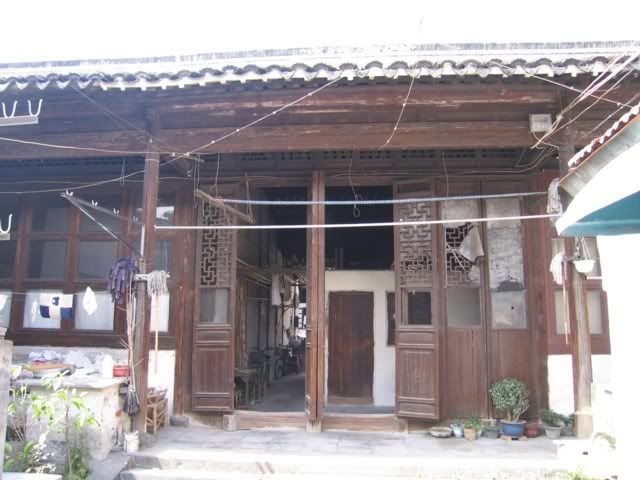
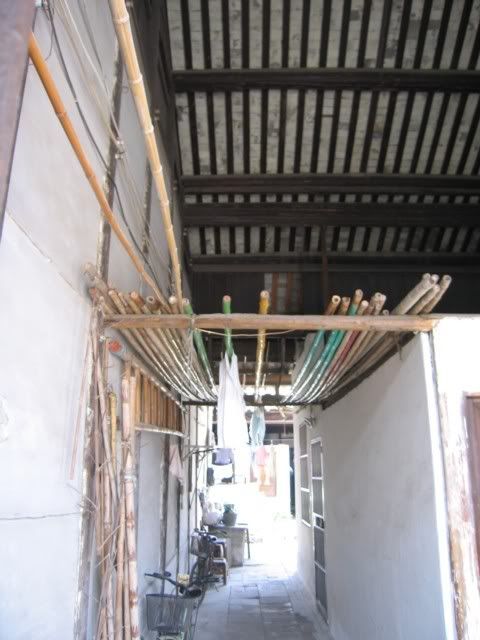
The place is now occupied by at least a dozen families. After the communist took over most of these houses were given away to families that lacked a home, while the original family might’ve been kicked out or, at best, given a room in one corner of the house. Over time, it turned into this

You can see how the hall was built into — originally there was nothing obstructing the hall, but now they have put walls up on both sides, making it into a narrow alley while living in these concrete blocks. So much for conservation…

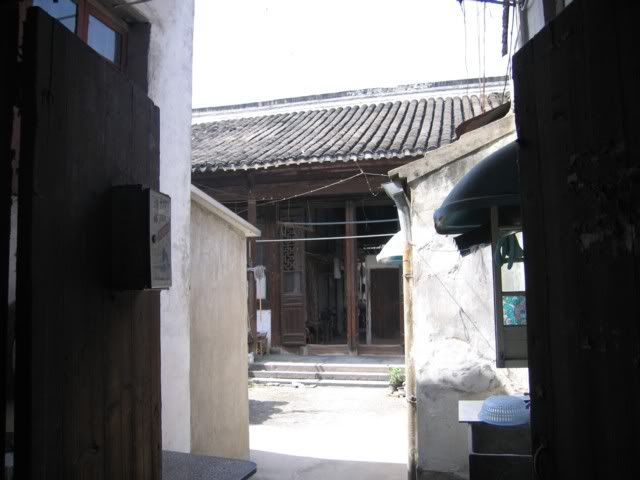
They do it in the courtyards too

You can see that inside… the primary structure is still pretty sturdy, but I think houses like this (which is the vast majority in the city) are a lost cause. It’ll be almost impossible to do anything about them, so any pretence of protection is really just a sham, I think. You can’t evict these people, who might’ve lived there for decades. It’s hard to tear down these walls — must be done carefully if you don’t want to destroy the old structure — and it’s simply too uneconomical.

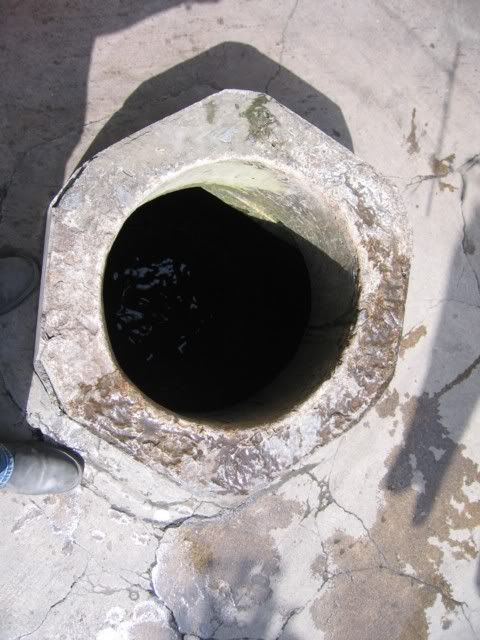
Interestingly enough… every family had a well in their courtyard

And I think that was the primary source of water. They still use it — somebody was pulling up a bucket of water right before I took this picture. The nice thing was that they just let me walk in to take pictures. At least they didn’t try to kick me out.
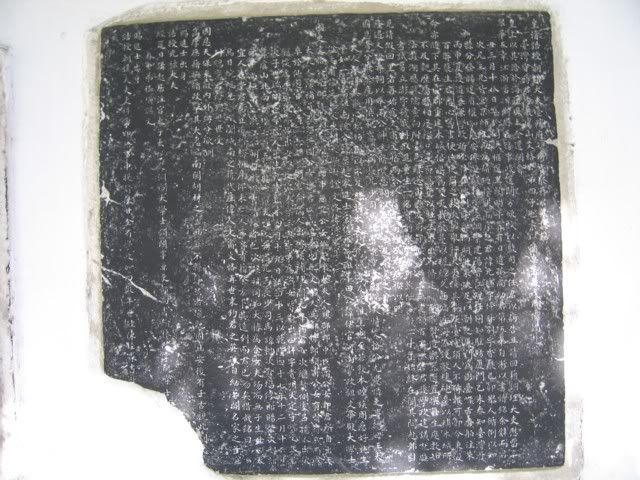
I then went back to the Fangta park, where there’s a stone engraving garden — where they collected a lot of stone engravings from around the city and put them together, essentially saving them for posterity. It’s nice. Far too many of these are lost and some are very valuable historical documents. I was here for work, basically, as I wanted to see if I could find something useful here. This is what some of them look like
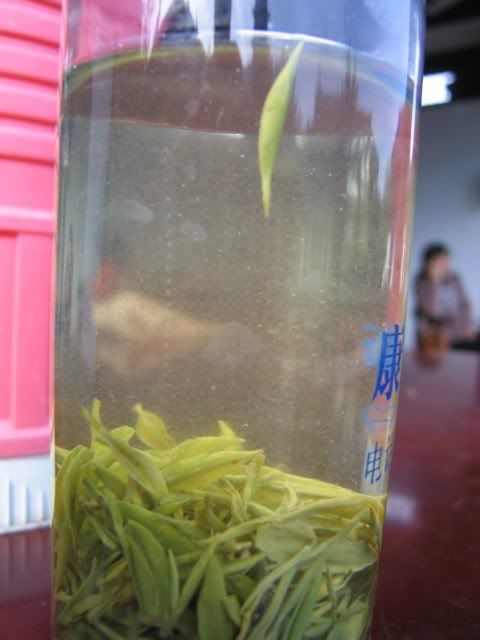
And then I ended the day with some tea, as that dull headache starts to set in. It’s called “Deyu Huocha”, or “Get Rain Living Tea”, literally. I suppose a better translation is “Tea that comes alive as it receives rain”. The selling point of this tea is that…. they are used for the national banquets at the Great Hall of the People, and also the leaves point UP. Meaning… the tip of the leaf, rather than pointing down as green tea often does, point up. You can see one of them in action.

The tea itself was just rather generic… nothing to write home about. A longjing is far better.

→ 1 CommentCategories: Information · Old Xanga posts
Tagged:

Yushan

May 12, 2007 · 2 Comments

I went to see my ancestors’ tombs today to pay my respects. The ones I visited are both on Yushan:

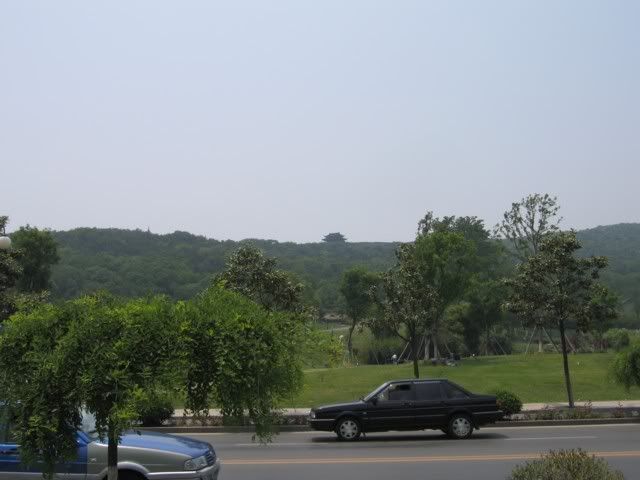
It’s the only mountain in Changshu. It’s not very high. The structure you see is a city-wall gate — part of Yushan was within the city limits and was walled.

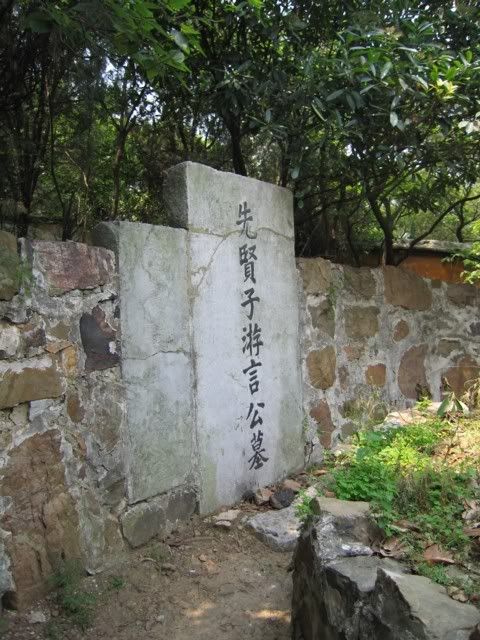
There are lots of things on Yushan. Tombs is probably the most numerous things though. There are lots of older tombs there, starting from this:

Supposedly the tomb of one of Confucius’ most famous students, Ziyou. This would date the tomb to something around 450 BC.

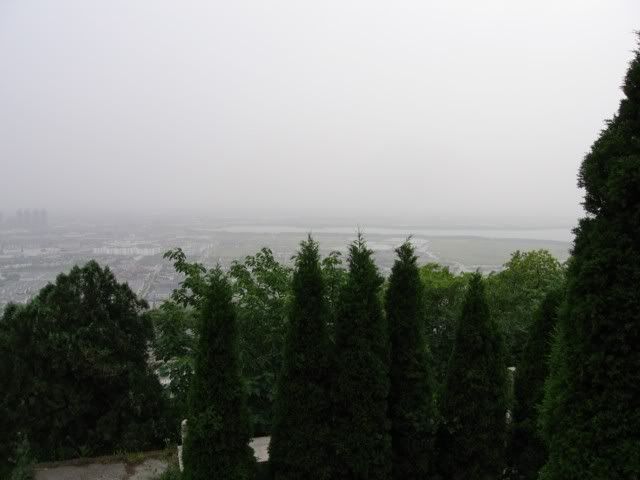
So I went and swept the tombs, as we Chinese call it. There are some nice views

You can see the Yangtze River in the top right corner.

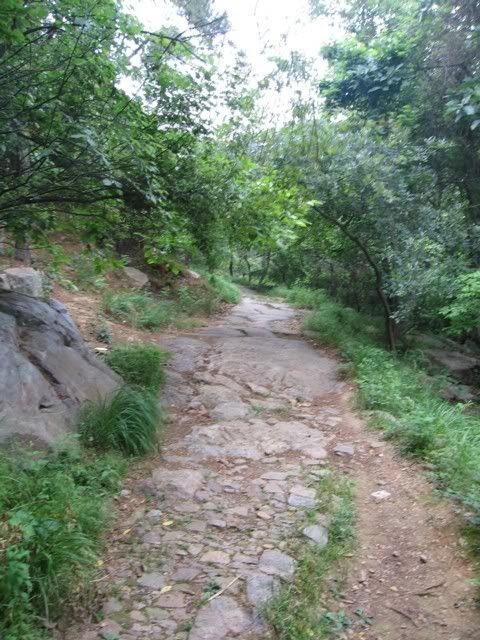
It also involves some climbing

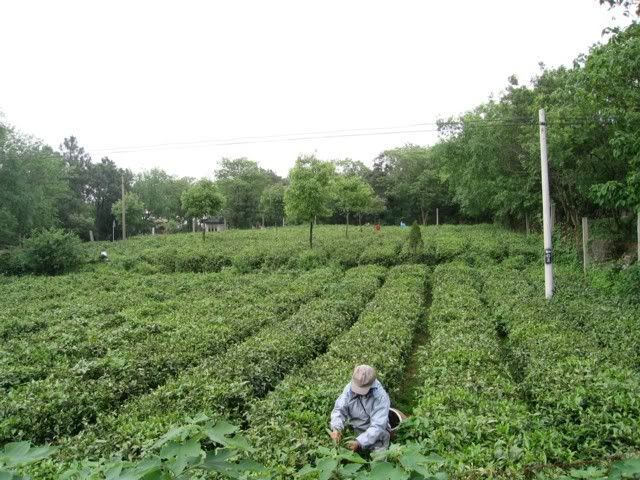
And for one of the tombs… the entrace is next to some tea farms where women are picking tea. This is not going to be good tea, methinks. It’s already rather hot…. the leaves aren’t going to be tender!

I did want to stay, but I wasn’t done yet, and so I had to move on from the tea farm. I don’t know if I’ll have time tomorrow…. but perhaps not.

I did, however, acquire three nasty mosquito bites on the way. They were rather swollen — those mountain mosquitos are powerful. Interestingly enough, when I came back to the room and drank some Qihong… they magically disappeared, very quickly too. Now they are reduced to mere small red dots. Is this another healing property of tea I’m discovering!?!?

→ 2 CommentsCategories: Information · Old Xanga posts
Tagged:

Swallow Garden

May 11, 2007 · 7 Comments

Since this

is pretty much the entirety of my tea consumption today (guesses anybody?), it won’t make for a very interesting blog entry. Where I visited, however, might be of interest to some of you. It’s slightly off topic, I know, but indulge me.

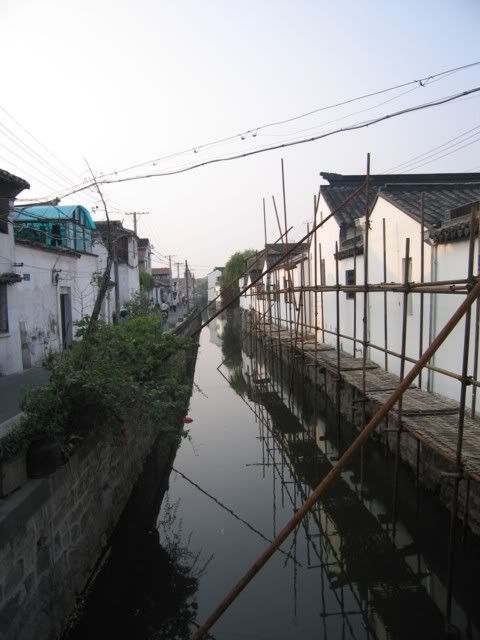
After going to the library and reading a whole bunch of family genealogies (that’s my research here) I decided to take another stroll. I was told that there was a… house? mansion? I don’t know what the right word here is … that was owned by one of my ancestors about a few blocks away, so I decided to look for it among the narrow alleys of Changshu.

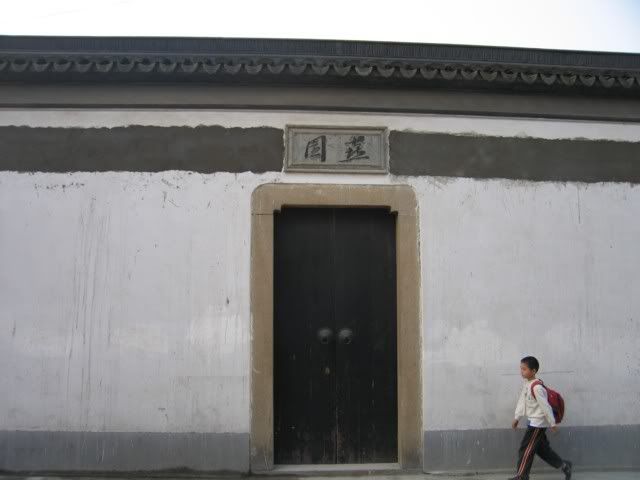
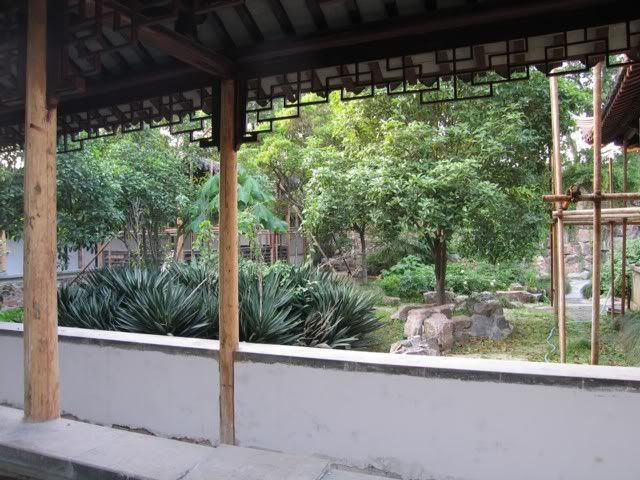
The place I was looking for was found after a little search. It’s called the Swallow Garden (Swallow as in the bird). It was, for a few decades at least, a property of my great-great-granduncle. If that’s confusing… he’s my grandfather’s granduncle, or my great-grandfather’s uncle. In late age he styled himself the “Old man from the Swallow Valley”, a reference to his residence (ah, this is the right word).

This is the gate to it:

It’s firmly shut.

The place was apparently under renovation, but after looking around, I saw that it was accessible by a side door, and after asking the workers there if I could go look… they let me in.

This is what you see after taking a few steps inside

It’s really quite a nice place. I never knew that a relative of mine owned this place. I do know that it was owned by another prominent local family, but whose fortunes waned. It was apparently a classic case of son gambling away the house, like in the movie To Live. My ancestor eventually bought it after it changed hands a few times.

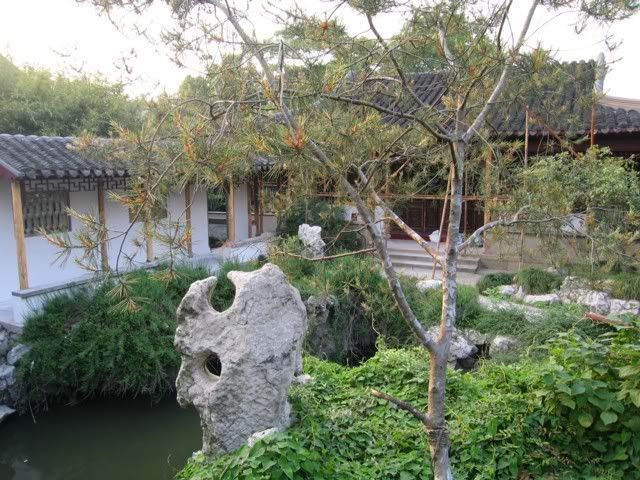
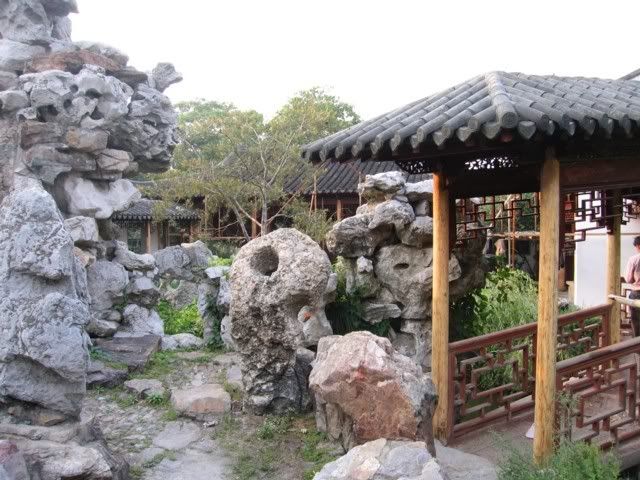
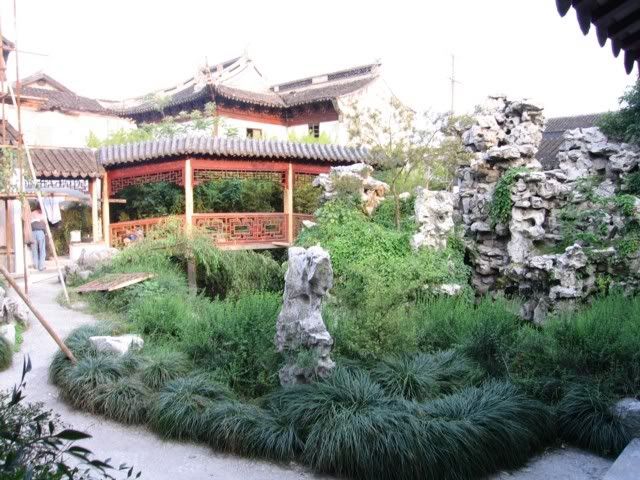
Much of the house was relatively inaccessible, but it was rather large with a few different gardens. The most distinctive thing is that you can never see too far once you’re in it… you have to walk around and gradually discover the place, piece by piece. Something looks like it’s really close, but you can’t get there easily. It’s a maze.

So I turned right and walked through this corridor

Which eventually got me to the other side

I then walked into the back garden

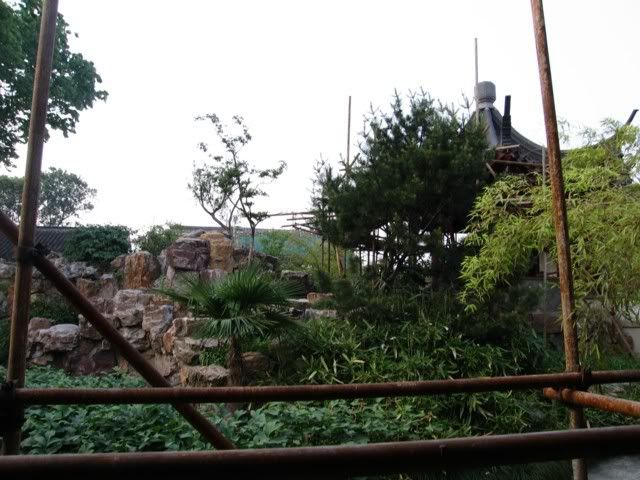
There were more buildings further back, but the way was pretty much blocked by construction materials and that sort of thing. Oh well. But you can see, for example, a little gazebo overlooking another pond with some rocks. I would kill to drink tea there.

Apparently quite a few structures in this complex was destroyed after 1949, and so the current size is already reduced. It’s a pity, really, but at least they’re restoring it as much as they can.

The same thing cannot be said of our other family residence, this one being where my grandfather spent his first 20 years or so. The battery on my camera was running low so I was only able to grab a few pictures. If people are interested, I’ll post some tomorrow as I’m going back there, along with seeing other residences, pay my respects at some family tombs, and look at some more local sources. This is all work! 🙂

→ 7 CommentsCategories: Information · Old Xanga posts
Tagged: